July 1, 2026 by Dean Bellefeuille
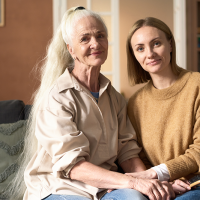
If your parent was diagnosed with Alzheimer’s tomorrow, who would you want advice from? A doctor might explain the disease. A caregiver could share practical tips. But some of the most helpful Alzheimer’s coping strategies often come from people who are navigating the disease themselves. (more…)
June 15, 2026 by Dean Bellefeuille
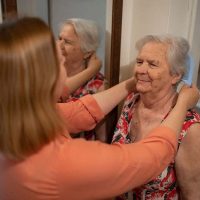
You’re helping Mom get ready for the day when you notice something: a spot on her neck that you don’t remember seeing before. It’s probably nothing, but it catches your attention. Do you say something? Keep an eye on it? Or let it go? (more…)
June 8, 2026 by Dean Bellefeuille

You didn’t mean to upset him. In fact, you were trying to help. You brought up something simple—a reminder about the new medication his doctor prescribed—and the irritated response you received felt like a slap in the face. And now you’re left frustrated, hurt, and angry. You’re trying to stay patient, but it’s hard not to react when you’re being treated unfairly. (more…)
June 1, 2026 by Dean Bellefeuille

Few things are more frustrating than trying to have a meaningful conversation that quickly gets shut down. And that happens a lot when there’s a dementia diagnosis in the mix. (more…)
May 13, 2026 by Dean Bellefeuille

How do you know when living alone with dementia is still working…and when it’s not? (more…)
May 7, 2026 by Dean Bellefeuille

When most people think about heart disease, they picture something sudden and unmistakable like intense chest pain, an emergency that demands immediate attention. (more…)
May 1, 2026 by Dean Bellefeuille

Most of us are wired to look for a clear reason when something changes. If sleep is off, we think about what caused it. If mood shifts, we try to connect it to something specific. (more…)
April 15, 2026 by Dean Bellefeuille

When you think about aging well, strength and balance may not be the first things that come to mind. Yet they influence nearly every aspect of daily life, from safety at home to the ability to enjoy time outside it. (more…)
April 8, 2026 by Dean Bellefeuille

You know Mom best. You’ve known her your whole life, after all! You know her sense of humor, her habits, her usual reactions to stress. That familiarity gives you a baseline. (more…)
April 1, 2026 by Dean Bellefeuille

For years, we’ve been told to do crossword puzzles, read more books, and stay socially active to protect our brain health. But there’s another powerful tool that doesn’t always make the list: playing a musical instrument. (more…)
