
November 2, 2026 by
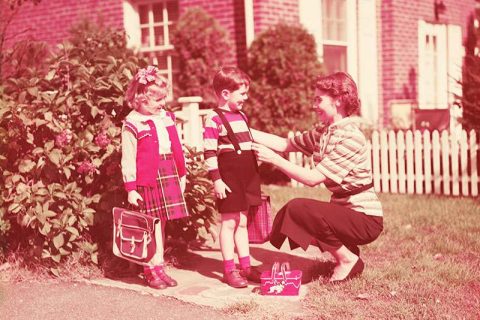
Your mom remembers the time you refused to get out of the car on your first day of school. She knows which college acceptance made you cry, what your first apartment looked like, and exactly how nervous you were before your wedding. She remembers things about you that you don’t remember yourself. Or at least, she used to.
When a parent has dementia, much of the attention naturally goes to what they are losing. But there’s another loss that can sneak up on you. Your parent has been one of the keepers of your history, and some of what they know may exist nowhere else.
That gives you a reason to start asking questions now, to preserve childhood stories when a parent has dementia while they’re still accessible. And the most valuable questions may not be the obvious ones.
Don’t just record their history. Ask about yours.
If Mom can still reminisce about earlier years, you may naturally ask about her childhood, her parents, or her wedding. Those stories matter, but there’s another interview subject sitting right in front of her: you.
Try asking questions that could uncover pieces of your history you can’t learn about anywhere else:
- What was I like before I can remember? Ask what made you laugh, what frightened you, who you followed everywhere, what you were stubborn about, or what you did that drove everyone crazy.
- When did you see me differently than I saw myself? Ask when your parent first thought you were brave, independent, funny, kind, difficult, talented, or ready to handle something on your own. You may hear a version of yourself you’ve never encountered before.
- What happened around the stories I already know? Instead of asking Mom to repeat the famous story about your broken arm, first job, or disastrous school play, ask what happened before or afterward. Who was there? What did she think at the time? Tiny questions can uncover parts of familiar stories you’ve never heard.
- What do you remember that I’ve completely forgotten? This may be the richest question of all. Give Mom permission to choose the memory rather than trying to retrieve one you’ve selected for her.
If a question causes confusion or frustration, let it go. This isn’t an interview you need to complete, and dementia may make some memories inaccessible even when others remain surprisingly vivid.
Give those memories somewhere to stay.
You don’t need to create an elaborate family-history project. Write a story in the notes app on your phone after Mom tells it. Add names and context to the back of an old photograph. Record a conversation if she’s comfortable with that. Send a story to your siblings so it becomes part of their memory, too.
And don’t limit yourself to the impressive stories. The fact that you called bananas “nanas” until kindergarten or insisted on wearing rain boots in July may tell you more about the child your mother knew than another account of where you went to college.
Preserving memories is one of our specialties!
As dementia changes what Mom can remember, At Home Independent Living is here to help in so many ways. Our specially trained dementia caregivers know how to connect with someone struggling with cognitive changes, and we love engaging in conversations and reminiscing with those we serve. We also provide a full range of home care services specifically geared toward making life with dementia easier, safer, and more comfortable.
Call us at (315) 579-HOME (4663) and let us know how we can help someone you love in Syracuse, Cicero, Clay, or anywhere else in Central New York.